Top Questions to Ask Before Booking Pest Control Services

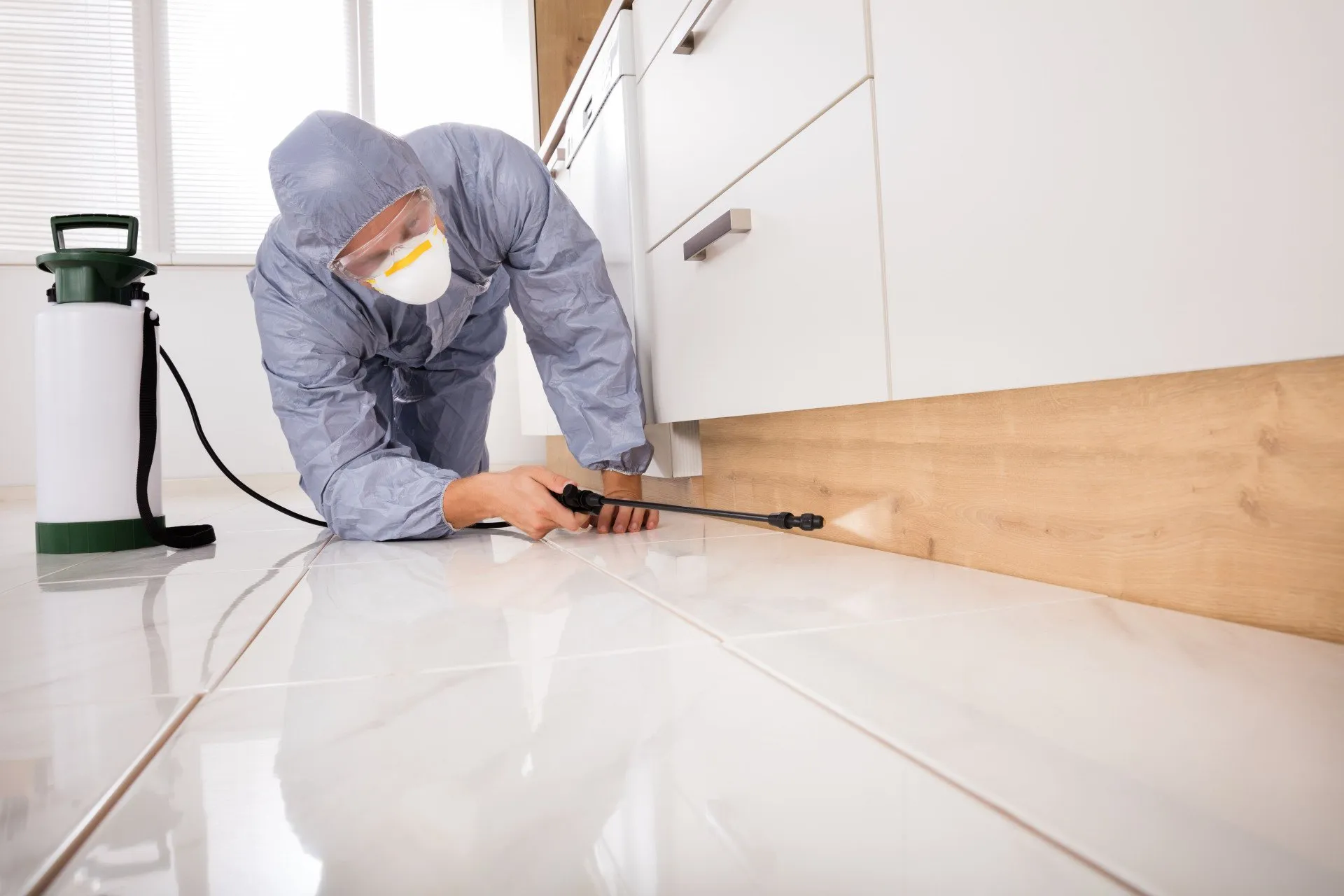
Hiring a pest control company is one of those decisions that seems simple until the problem turns out to be more complicated than expected. A few ants in the kitchen can point to a moisture issue. A mouse in the garage can mean an active entry point in the roofline. A wasp nest under the eaves may be straightforward to remove, but the wrong treatment schedule can leave you paying for repeat visits that never solve the cause.
People often shop for Pest Control Services the way they shop for appliance repair, by calling the first company with decent reviews and the earliest appointment. That works sometimes. Other times, it leads to vague explanations, rushed spraying, and a callback a week later when the insects are still there. The better approach is to ask a handful of specific questions before you book. Good companies answer them clearly. Weak ones dodge, generalize, or pressure you to commit before they have earned your trust.
The point is not to interrogate the technician. It is to understand what you are buying, what the treatment can realistically accomplish, and whether the company’s methods fit your home, business, family, and budget.
Start with the most important question: what exactly are you treating?
This sounds obvious, but many service calls begin with a customer saying, “I need my house sprayed.” Spraying for what, exactly? Roaches, carpenter ants, pantry moths, fleas, termites, bed bugs, rodents, mosquitoes, and spiders all require different strategies. Even within one category, the species matters. Tiny sugar ants behave differently from carpenter ants. German cockroaches are handled differently from large occasional invaders that wander in from outside. Mice and rats leave different signs, use different routes, and may need different exclusion work.
A reputable company should ask you questions before offering a price or treatment plan. Where are you seeing activity? How often? At what time of day? Indoors or outdoors? Have you noticed droppings, chewed packaging, mud tubes, sawdust-like frass, hollow wood, or nest material? Have you tried over-the-counter products already? Those details help separate a surface symptom from a real infestation.
If the company gives you a flat answer without asking for context, that is usually not a great sign. Experienced technicians know identification drives treatment. In many homes, the visible pest is only part of the story. I have seen homeowners insist they had a spider problem when the real issue was an unchecked insect population in a damp crawl space. The spiders were simply feeding where conditions favored prey. Killing spiders alone would never have fixed it.
Ask the company whether they can identify the pest before treatment begins, and how they do it. Sometimes identification is easy during an on-site inspection. Other times, it takes photos, trap monitoring, or direct evidence collected over several days. That is normal. Honest professionals do not pretend certainty when the evidence is thin.
Ask whether an inspection comes before the quote
The biggest difference between average and reliable Pest Control Services often shows up before the first treatment. Good operators inspect. They do not just sell a package.
For common general pest issues, some companies can quote a price range over the phone, which is reasonable. But for termites, bed bugs, rodents, recurring cockroach issues, wildlife concerns, or mystery infestations, an inspection is not optional if you want useful advice. The technician should be looking for entry points, conducive conditions, nesting areas, moisture sources, sanitation issues, harborage zones, and the extent of activity.
That inspection matters because cost and outcome are tied to scope. A one-time treatment for a few exterior paper wasp nests is very different from an integrated rodent job that includes trapping, sanitation recommendations, sealing gaps, follow-up visits, and monitoring. If a company quotes both jobs with the same breezy confidence, you should be cautious.
There is also a practical reason to insist on inspection. It protects you from paying for the wrong service. Bed bug bites are routinely confused with reactions to mosquitoes, fleas, carpet beetle hairs, or skin irritation unrelated to pests. Wood damage may look like termites and turn out to be moisture rot, or the reverse. Spending a little time upfront can prevent an expensive detour.
What treatment method are you planning to use, and why?
This is where many homeowners get vague answers. “We’ll spray and take care of it” is not a treatment plan. You do not need a chemistry lecture, but you should understand the broad approach.
A useful explanation should cover whether the company expects to use baits, dusts, liquid applications, gels, mechanical traps, exclusion repairs, nest removal, monitoring devices, heat treatment, fumigation, or a combination. It should also explain where treatments will be applied and why those locations matter. If the plan includes both interior and exterior work, ask what each part is meant to accomplish.
For example, ant control often works best when the colony is allowed to carry bait back to the nest. Broad spraying in the wrong place can interfere with that process. German cockroach work usually depends heavily on targeted placement, sanitation, and follow-up, not just a single perimeter spray. Rodent control without exclusion can become a revolving door. Termite work can involve soil treatments, bait systems, or localized wood treatments, each with its own advantages and limitations.
The right answer is not always the most aggressive treatment. Sometimes the best technician is the one who says, “You do not need us to treat every room. The issue is concentrated here, and that is where we should focus.” Restraint, when justified, is often a mark of experience.
Ask what results are realistic, and how long they usually take
One of the easiest ways to avoid frustration is to get honest expectations before service starts. Pest control is rarely magic. Some problems improve fast. Others get worse before they get better, at least visibly, because disturbed pests emerge from hiding or baited populations continue moving before they collapse.
Ask how soon you should expect to see a reduction in activity, what “normal” post-treatment sightings look like, and when the company would consider the treatment unsuccessful. For ants, a few days to a couple of weeks may be reasonable depending on the species and nest location. Roach work, especially in apartments or heavily infested homes, often takes multiple visits. Flea jobs typically require patience because of the life cycle. Rodent work may show progress quickly on traps, but complete control depends on access points being closed and food sources being managed.
This is also the time to ask whether the service is intended as a one-time fix or the first step in a recurring program. Some pests are seasonal invaders. Others persist because the structure itself invites them in. If the home has heavy tree cover, standing water, dense mulch against the foundation, unsealed utility penetrations, or a history of moisture problems, ongoing management may be more realistic than a one-visit promise.
A technician who overpromises is setting you up for disappointment. A technician who explains the timeline and trade-offs clearly is usually worth listening to.
What does the price include, and what would cost extra?
Price becomes misleading when it is detached from scope. A low number sounds attractive until you realize it covers one brief treatment and nothing else. A higher quote can be a much better value if it includes inspection, follow-up, warranty, trap checks, exclusion recommendations, and retreatment if needed.
Ask for plain language on what is included. Does the fee cover the inspection? The treatment itself? Materials? Any follow-up visits? Retreatments within a set time? Written findings? Exterior work only, or interior as needed? If there is a service plan, ask how often they come and whether there are cancellation terms.
Some of the most common surprise charges come from work that customers assume is bundled. Sealing entry points, crawl space work, attic work, wildlife removal, insulation replacement, sanitation cleanup, and structural repairs are often separate services. That is not necessarily a problem, but you should know upfront.
Here are five pricing questions worth asking before you schedule:
- Is this quote for a one-time visit, a series of visits, or an ongoing service plan?
- If the pests return within a certain period, is retreatment included?
- Are inspection fees credited toward treatment, or billed separately?
- Does the price include all materials and labor, or are there add-on charges for certain areas or pests?
- If you recommend exclusion or repairs, who does that work and how is it priced?
This short exchange can save you from the classic misunderstanding where a homeowner thinks they purchased a solution, while the company believes it sold a single appointment.
Are you licensed, insured, and trained for this specific problem?
Licensing and insurance are not glamorous topics, but they matter. Pest control involves regulated products, application standards, and real risk if work is done carelessly. In most areas, companies and applicators need the appropriate licensing for the services they offer. Ask whether the business is licensed in your state or locality, whether the technician assigned to your property is properly credentialed, and whether the company carries liability insurance.
That is the baseline. The more useful question is whether they have direct experience with your specific pest issue. A company can be perfectly legitimate and still not be the best choice for bed bugs, termite inspections, wildlife exclusion, or severe commercial kitchen roach work if that is not their lane.
I have seen this mismatch in the field more than once. A general household pest provider may do excellent recurring exterior treatments but struggle with the discipline and detail needed for bed bug protocols. On the other side, a firm that specializes in termites might not be your best option for an ongoing mosquito reduction program around a large landscaped yard. There is no shame in specialization. In fact, it can be a strength. The key is to ask.
What products are being used, and what precautions should we take?
This question is not about panic. It is about clarity. Whether you have children, pets, elderly family members, fish tanks, pollinator gardens, food prep areas, or medical sensitivities in the household, you deserve straightforward guidance on what will be applied and how to prepare.
A professional should tell you where products will go, whether you need to leave the home during treatment, how long treated areas should remain undisturbed, and what cleaning or ventilation steps are appropriate afterward. They should also discuss special handling around cribs, pet bowls, litter areas, reptile tanks, aquariums, and accessible toys.
This is where experience shows. Good technicians do not just say, “It’s safe when dry,” and move on. They notice details. They ask if your dog licks baseboards, whether your toddler plays on the floor near treatment zones, whether your cat likes to hide under treated sinks, and whether there are drainage concerns near exterior application areas. If you keep bees or work hard to support beneficial insects in the yard, ask how they protect non-target species. A thoughtful answer signals professionalism.
It also helps to ask whether non-chemical measures are part of the plan. In many cases, they should be. Sealing food, correcting moisture, trimming vegetation, reducing clutter, repairing screens, and fixing gaps often matter as much as the treatment itself.
What do you need me to do before and after the visit?
The best pest control work is a partnership. Some infestations can be controlled with minimal customer involvement, but many cannot. If you are not told how to prepare, the treatment may underperform through no fault of the product or technician.
For bed bugs, prep can be extensive, though requirements vary by method and provider. For German roaches, sanitation and access to problem areas matter enormously. For fleas, pet treatment and vacuuming are often part of the bigger picture. For rodents, food storage, clutter reduction, and access for inspection are important. For termites, stored items against the foundation or blocked crawl spaces can interfere with treatment.
Ask what you should move, clean, uncover, avoid touching, or monitor. Also ask what not to do. Homeowners sometimes sabotage baiting programs by spraying store-bought insecticide over treated areas or placing traps in the wrong locations. Others clean away products too soon because no one explained the reason for leaving them undisturbed.
A strong company will give you preparation instructions in writing when the work is significant. That protects both sides. It also makes scheduling smoother, since there is nothing worse than paying for a technician to arrive and discover the treatment area was never made accessible.
If the first treatment does not work, what happens next?
This is the question people often forget until they need the answer. Do not wait.
Every pest professional knows that some jobs need adjustment. A nest may be deeper than expected. Neighboring units in a multifamily building may be contributing to the problem. Weather can affect exterior activity. Rodents can shift routes after initial trapping pressure. The issue is not whether a treatment ever needs follow-up. The issue is how the company handles it.
Ask what triggers a return visit, how soon it can be scheduled, and whether it is included in the original price. Ask whether the same technician will come back, since continuity can help. Ask what new information they look for if the first attempt falls short. The answer should sound methodical, not defensive.
There is a meaningful difference between a company that says, “Call us if you still see activity,” and one that says, “For this pest, we usually recheck in seven to ten days, evaluate trap catch or bait consumption, inspect the original harborage, and adjust treatment based on what we find.” The second answer shows a process. Process is what gets difficult infestations under control.
How do you handle guarantees and warranties?
Guarantees in pest control are useful, but only when you read the fine print with realistic expectations. Some services come with a short retreatment window. Others have longer renewable warranties, particularly in termite work. Some plans cover only the target pest. Others are tied to recurring service intervals. Exclusion-related guarantees may exclude damage caused by new construction defects or storm-created openings.
This is not a reason to distrust warranties. It is a reason to understand them. Ask what exactly is guaranteed, for how long, and under what conditions the guarantee stays valid. If there is a monthly or quarterly service plan, ask whether skipped visits or missed payments void coverage. If the company installs bait stations, traps, or exclusion materials, ask who owns them and what happens if you cancel service.
The strongest guarantee is not always the longest one on paper. Sometimes a modest, clearly explained guarantee from a responsive local company is far more valuable than an expansive promise from a provider that is difficult to reach once the invoice is paid.
Pay attention to how the company communicates
The answers matter, but so does the manner in which they are delivered. Pest issues make people uneasy. A good company knows that and communicates with calm, useful precision. They do not talk down to you, hide behind jargon, or try to frighten you into buying more service than you need.
Notice whether they listen carefully when you describe the problem. Notice whether they ask sensible follow-up questions. Notice whether they can explain the difference between control, reduction, monitoring, exclusion, and eradication in ordinary language. If you feel rushed on the phone, you may feel ignored after the service too.
There is also value in responsiveness. If you leave a message about mice in the kitchen and no one calls back until two days later, imagine how quickly they may respond if the first round of traps does not produce results. Service quality often reveals itself before the appointment is even booked.
Red flags that should make you pause
A few warning signs come up often enough that they are worth naming directly:
- The company quotes a firm price for a complex infestation without inspection or meaningful questions.
- The technician promises total elimination after one visit for pests that commonly require follow-up.
- No one can explain what treatment will be used, where it will be applied, or what preparation is required.
- The contract language is vague about retreatments, recurring charges, or cancellation terms.
- The sales pitch leans heavily on fear, urgency, or discounts that expire “today only.”
None of these https://www.google.com/maps?cid=8307399824021782015 automatically means the company is dishonest, but together they usually point to a sales-first operation rather than a diagnosis-first one.
The cheapest bid is not always the least expensive decision
It is worth saying plainly: low-price pest control can become expensive pest control very quickly. If an incomplete treatment leaves the infestation active, you may still need to pay another company to diagnose and correct it. If rodents are trapped but access points remain open, you can end up financing repeat visits while new animals enter the same way. If termites are missed because the inspection was careless, the eventual repair bill can dwarf whatever you saved on the initial quote.
That does not mean you should always choose the highest price, either. Plenty of companies charge premium rates for routine work. The goal is to understand what the bid reflects. A strong proposal usually ties the price to a clear scope, reasonable timeline, specific methods, and what happens if results fall short. That is what you are comparing, not just the number at the bottom.
One homeowner I spoke with after a rodent issue had received three quotes within the span of a single afternoon. The lowest was for trap placement only. The middle included trapping and a follow-up. The highest included trapping, sanitation recommendations, attic inspection, and sealing several obvious gaps around utility lines and roof returns. The first quote looked attractive for about a day, until it became clear the mice were entering through structural openings. In that case, the most complete quote was also the most economical one because it addressed the route, not just the symptom.
The right questions lead to better outcomes
Booking Pest Control Services should not feel like buying a mystery package. By the time the technician arrives, you should know what problem is being addressed, why the proposed treatment makes sense, what level of preparation is expected from you, what results are realistic, and what happens if the pests return.
That level of clarity does more than protect your wallet. It improves the quality of the work itself. When both sides understand the plan, treatments are more targeted, follow-up is more effective, and expectations stay grounded in reality. Pest control works best when it is specific, observant, and practical. The right questions pull those qualities to the surface before you commit.
If a company can answer them plainly, with patience and without pressure, you are usually dealing with professionals who know their trade. That is the kind of service worth booking.
Affordable Pest Solutions LLC
Phone number: +19732299547
FAQ About Pest Control Services
How much does pest control charge?
For a standard 1,500-square-foot home, professional pest control charges generally average $100 to $300 for an initial visit, with ongoing monthly services running $40 to $75 per visit and one-time emergency exterminations costing $100 to $600, depending heavily on the specific pest and the severity of the infestation.
What is the hardest pest to get rid of?
Bed bugs are widely considered the hardest household pest to get rid of, closely followed by German cockroaches and subterranean termites.
What is included in a pest control service?
A standard pest control service includes a property inspection, targeted treatments, and prevention advice. It typically covers common pests like ants, spiders, and cockroaches, using sprays, baits, or traps.